

Understanding Baking Ingredients: The Key to Better Texture, Flavor, and Structure
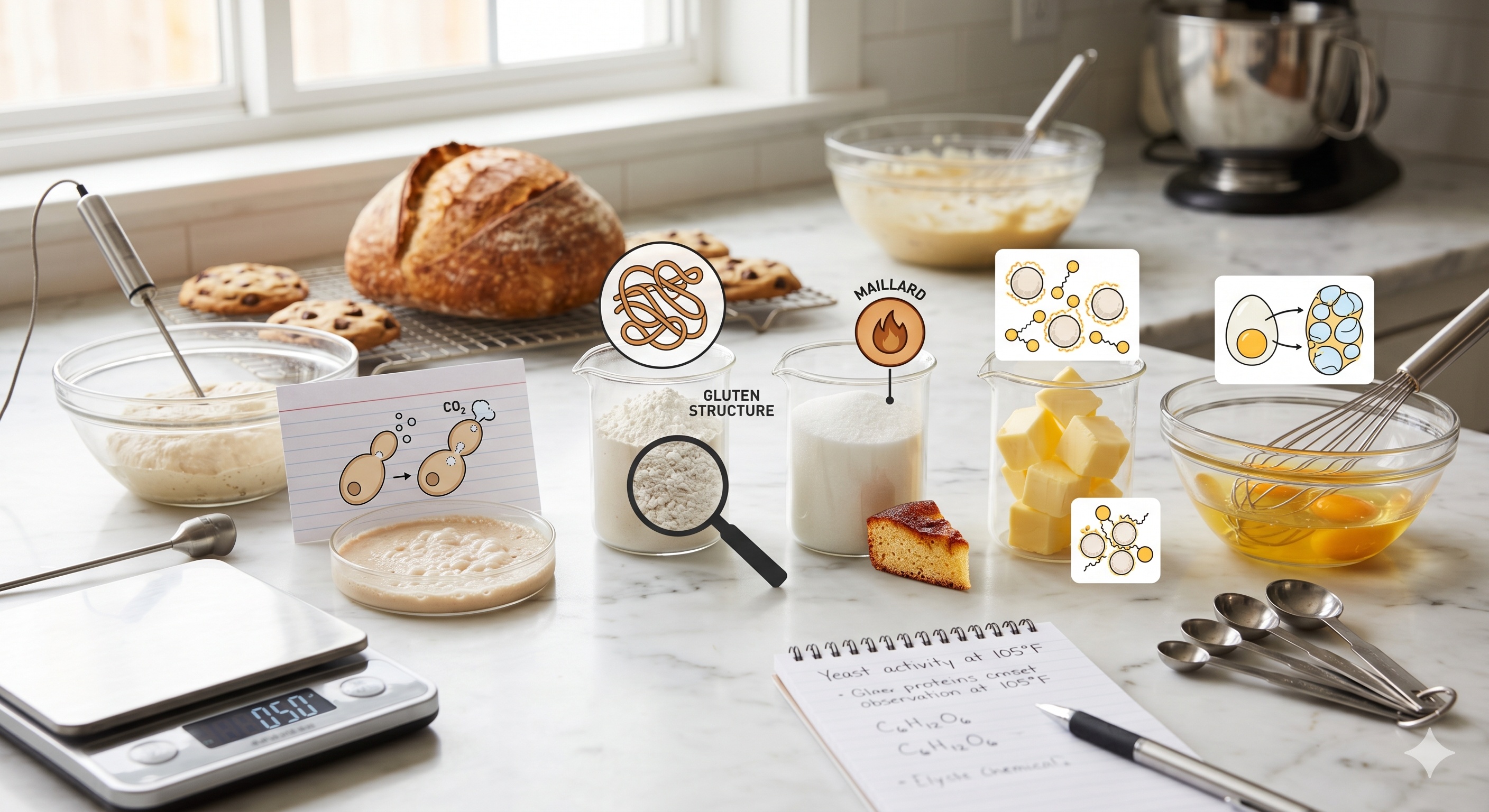
The Science of Baking, Part 1: Why Understanding Ingredients Changes Everything
Baking has always lived at the intersection of instinct and precision. While it is a creative art, it is also a deeply technical science. When a cookie spreads too far or a cake turns out dry, it is rarely random; it is usually the result of how your ingredients interacted.
By mastering the "why" behind your ingredients, you move from simply following a recipe to truly understanding the craft.
1. Flour: The Structural Framework
Flour is the backbone of baking, providing the essential structure for almost every baked good.
- How it Works: Proteins in wheat flour form a gluten network when hydrated and mixed. This network traps gas and supports the rise of the product.
- Protein Content Matters: High-protein flours (like bread flour) create a strong, chewy structure, while low-protein flours (like cake flour) result in a tender, delicate crumb.
- The Weight Factor: Volume measurements are notoriously inaccurate. For professional consistency, always weigh your flour with a scale to avoid "heavy" or dry results.
2. Sugar: More Than Just Sweetness
While sugar provides flavor, its chemical roles are even more vital to a successful bake.
- Hygroscopy: Sugar attracts and holds water, which slows down gluten development and keeps your finished product moist and tender.
- Browning & Texture: It aids in the Maillard reaction (browning) and influences how much a cookie spreads.
- Granulated vs. Brown: Granulated sugar encourages crispness and spread, while brown sugar adds moisture, acidity, and a softer, denser texture due to its molasses content.
3. Fats: Flavor and Texture Control
Fat is the primary driver of "mouthfeel," but it also serves as a critical barrier in chemistry.
- Tenderizing: When fat coats flour particles, it limits water absorption, which prevents over-development of gluten and creates a tender bite.
- Temperature Matters: * Room Temp Butter: Can be creamed with sugar to trap air for light, fluffy cakes.
- Melted Butter: Produces denser, chewier textures.
- Cold Fat: Essential for the flaky layers in pie dough and biscuits.
4. Eggs: The Great Multitaskers
Eggs are the "quiet workhorses" of the kitchen, performing several roles simultaneously.
- Structure & Binding: Egg proteins coagulate with heat, helping your bakes "set" and hold their shape.
- Emulsification: The yolks contain natural emulsifiers that keep fats and liquids smoothly combined in your batter.
- Leavening: Whipped egg whites trap air, providing the primary lift for delicate recipes like soufflés and sponge cakes.
5. Leaveners: Baking Soda vs. Baking Powder
These two are often confused, but they are chemically distinct.
- Baking Soda: Requires an acid (like buttermilk, yogurt, or lemon juice) to react and release carbon dioxide for rise.
- Baking Powder: Contains both an acid and a base. Most are "double-acting," meaning they react first when wet and again when exposed to heat in the oven.
The Magic of Interaction
The real science happens when these ingredients collide. Flour builds the house, but sugar and fat determine how soft the furniture is. Leaveners provide the air, but only if the flour and eggs have created enough structure to hold it.
Pro-Tip: The "Technique" Variable
Even with the perfect ingredients, technique can change everything. Overmixing develops too much gluten (making things tough), while under-creaming prevents proper aeration. Understanding your ingredients makes these techniques readable rather than rigid.
Better baking starts before the oven is even preheated. It starts with understanding what is in the bowl and why it is there. When you know how ingredients function, you make better choices, fix mistakes faster, and gain more control over texture, structure, flavor, and consistency. That is the difference between simply following a recipe and truly mastering your craft.
Ready to Level Up Your Professional Pastry Program?
At Pastry Per Diem, we believe better results come from better understanding. If your bakery or product line needs stronger foundations, sharper systems, or more consistency in execution, let’s build that from the inside out.
Scale Your Business With Confidence
Get weekly insights on kitchen operations, recipe management, and growth strategies—straight from a pastry consultant who understands your challenges.
What's Next?
We're committed to seeing your business thrive. Check out our other resources to start taking your business to the next level.
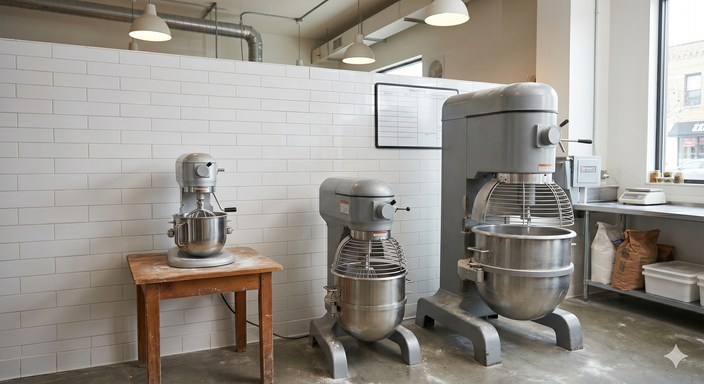
How to Choose the Right Mixer for Your Bakery
A larger mixer can improve production, but only if it fits the realities of your operation. Here is what small bakery owners should consider before investing in a new machine.
SOP Bundle Lite
This SOP Bundle gives you the structure, systems, and tools to run your business like a pro—streamlining daily operations, scaling long-term growth, and keeping everything organized, efficient, and consistent
