

The Right Level of Owner Involvement for a Growing Business
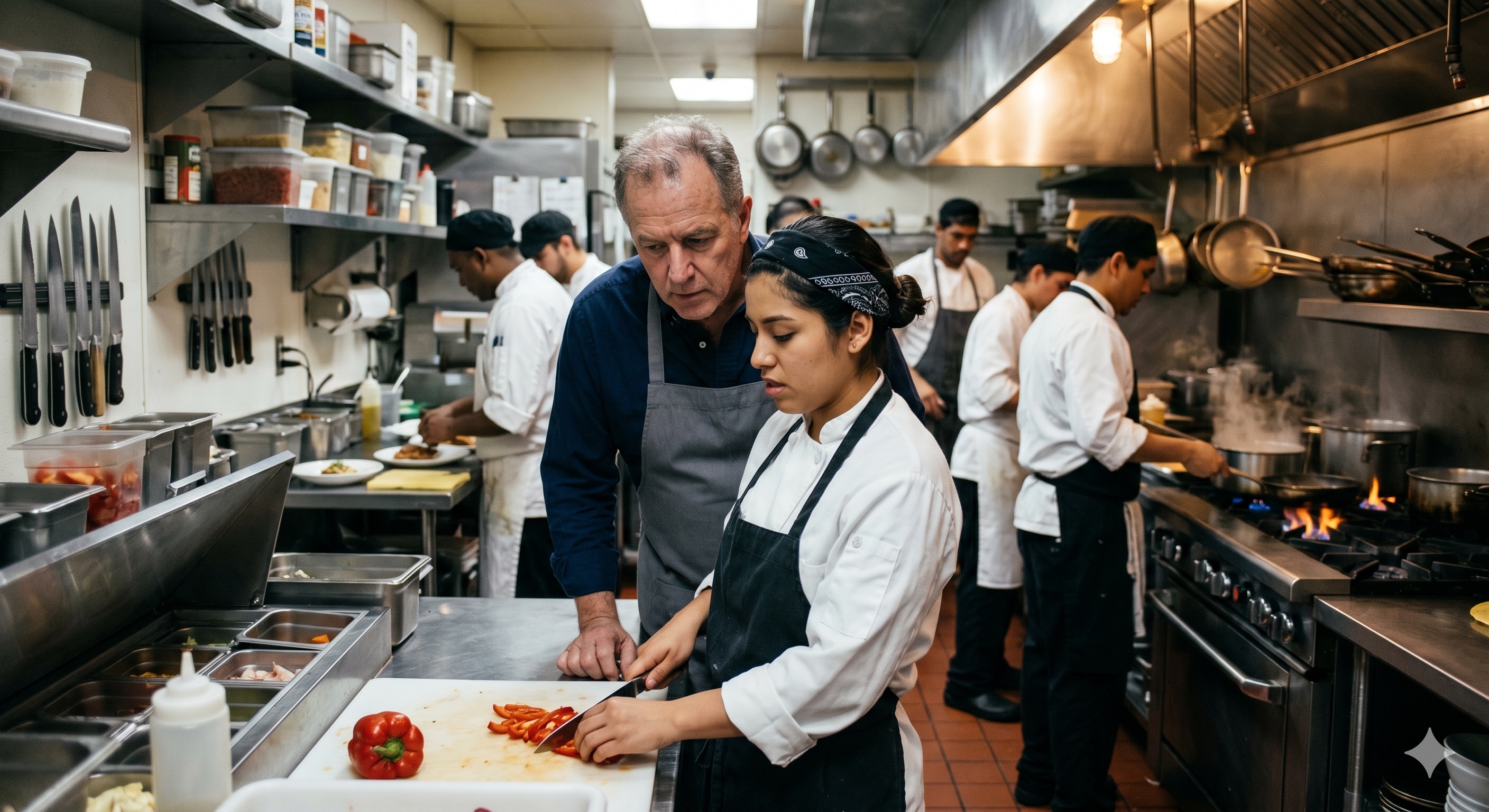
Why Owner Presence Matters, and How to Avoid Micromanagement
How Business Owners Can Stay Involved Without Undermining Their Team
Owner involvement can be one of the greatest strengths a business has. A present owner brings clarity, urgency, standards, and a sense of purpose that is difficult to replicate—especially in founder-led brands and hospitality-driven operations.
However, there is a critical distinction: there is a difference between being present and being overbearing. One builds trust; the other quietly erodes it. The healthiest businesses aren't those where the owner is involved in everything, but where the owner knows when to step in and when to lead without suffocating the team.
Why Owner Involvement Still Matters
An owner’s role is far from symbolic; it has a direct impact on the health of the business. Effective involvement focuses on four key pillars:
- Strategic Direction: Clarifying what the company stands for and ensuring decisions support that path.
- Culture: Setting the tone for accountability and professionalism. Teams mirror what ownership tolerates and rewards.
- Responsiveness: Spotting opportunities and making high-level decisions with speed to avoid costly delays.
- Accountability: Keeping standards visible and showing the team that the business matters to the person who built it.
Present vs. Overbearing: Understanding the Difference
This is where many owners struggle. A present owner is visible and grounded; they ask thoughtful questions and reinforce standards to add stability.
An overbearing owner inserts themselves into every detail. They override managers in front of staff, monitor instead of mentor, and confuse control with leadership. While presence says, "I’m here to support the business," overbearing behavior says, "Nothing can happen without me, and no one is fully trusted".
What Overbearing Ownership Looks Like in Practice
Overbearing behavior often masquerades as "helpfulness". In hospitality and pastry environments, it can manifest as:
- Correcting details instead of coaching patterns: For example, stepping onto the line to "fix" a plating issue during service instead of reviewing the standard with the Chef afterward.
- Undermining the Chain of Command: Giving instructions to multiple people without involving the manager.
- Emotional Inconsistency: Praising independence one day and punishing it the next, which creates a hesitant, overly dependent team.
In food businesses, this is expensive. A team afraid to act without approval struggles with speed, service recovery, and quality control under pressure.
How to Lead with Structure
The goal is not to disappear, but to lead with discipline. Use these strategies to stay involved without becoming oppressive:
1. Establish "Decision Lanes"
Define exactly who owns which decisions to prevent chaos and unnecessary dependence:
- Level 1 (Independent): Routine decisions managers make on their own.
- Level 2 (Reported): Decisions managers make but report upward afterward.
- Level 3 (Consultative): Major decisions (hiring, large risks, brand shifts) that require owner approval.
2. Respect the Chain of Command
If a manager is responsible for a team, avoid bypassing them. When you jump around your leadership, they lose authority and your overall structure weakens.
3. Ask More Than You Direct
Instead of solving every problem, ask: "What are you seeing?" or "What solution do you recommend?". This keeps your leaders thinking like leaders.
4. Create Visibility, Not Interruption
Replace hovering with structured updates. Use weekly reviews, operational dashboards, and scheduled check-ins to stay informed without constant interruption.
A Better Standard for Leadership
The best owner-led businesses have ownership that is felt, but not in a way that crushes the room. Systems are allowed to work, and managers are allowed to manage.
The "sweet spot" is disciplined involvement: being close enough to protect the business, but wise enough not to choke it.
Strengthen Your Leadership Flow
If your business is struggling with blurred leadership lines or an owner role that feels too heavy in the day-to-day, Pastry Per Diem helps hospitality and pastry-focused businesses build cleaner systems and stronger accountability.
Scale Your Business With Confidence
Get weekly insights on kitchen operations, recipe management, and growth strategies—straight from a pastry consultant who understands your challenges.

What's Next?
We're committed to seeing your business thrive. Check out our other resources to start taking your business to the next level.

The Leadership Skill That Protects Both People and Performance
The strongest leaders are not the loudest, coldest, or most controlling. They are the ones who can read people accurately, regulate themselves under pressure, and support employees without letting personal challenges derail the business. In hospitality and beyond, emotional intelligence is what helps leaders protect both culture and performance.
.png)
Operation Reset Session
The Private Operations Reset Session is a focused 45-minute working session designed to help food business owners regain clarity and control over their operations. Together, we identify structural friction, isolate the root causes of inefficiency, and outline immediate, practical adjustments that restore stability and forward momentum.
