

The Halo Effect in Consumerism: Why Brand and Business Preparedness Matter More Than Ever
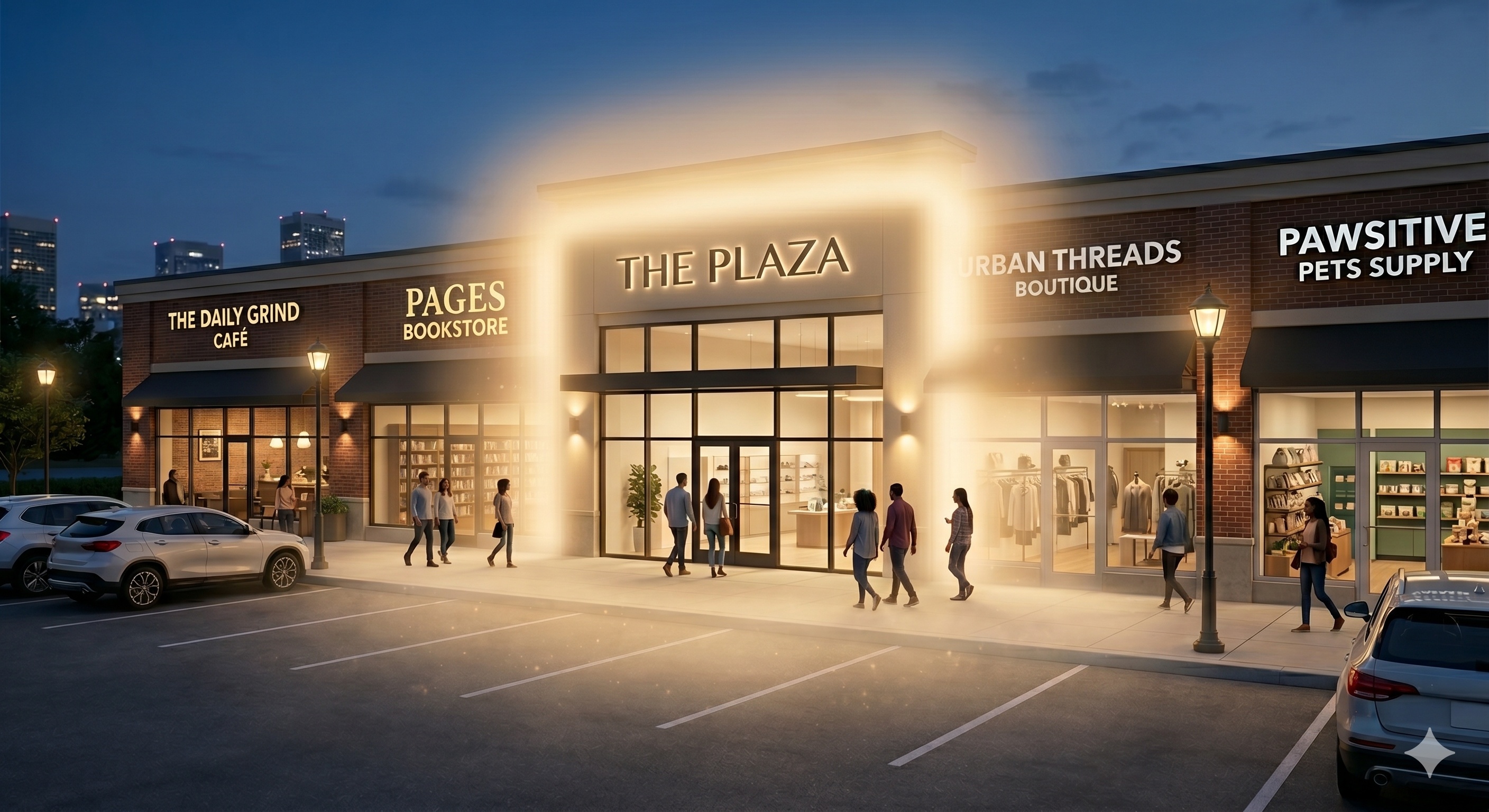
For food and hospitality operators who want trust, traction, and staying power
In today’s market, consumers do not simply buy a croissant, a cake slice, or a cup of coffee. They buy what your business appears to promise them before they ever taste a thing. They buy the feeling of trust. They buy the expectation of quality. They buy the story your brand tells in a glance. That is where the halo effect comes in.
The halo effect is a psychological bias in which one positive impression shapes a person’s overall judgment. In business, it means that when a guest sees one thing that signals quality, such as beautiful packaging, a polished storefront, a confident website, strong branding, clean displays, or warm service, they often assume other things are also true: that the food is better, the business is more trustworthy, the ingredients are superior, and the experience will be worth the price. Psychologists trace the concept back to early research on how one favorable trait can influence wider evaluations, and it remains highly relevant in consumer behavior today. For pastry businesses especially, this matters more than many operators realize.
Pastry is already an emotional category. It lives at the intersection of indulgence, gifting, comfort, ritual, celebration, and identity. People do not only consume pastries for hunger. They consume them for mood, memory, reward, hospitality, and presentation. That means the customer’s first impression is not a side note. It is part of the product.
In a post-pandemic economy, that first impression carries even more weight because consumers have become more selective. Industry research in 2026 shows that restaurant operators are still facing uneven traffic, persistent cost pressure, and tighter household budgets, especially among low- and middle-income consumers. At the same time, consumers are increasingly value-conscious and intentional about where they spend. That combination changes the rules. When money feels tighter, customers do not stop judging. They judge faster.
They ask– often unconsciously:
Does this place feel safe?
Does it feel organized?
Does it feel premium enough to justify the spend?
Does it feel worth trying?
Does it feel like a business that knows what it is doing?
This is why brand and business preparedness are no longer optional. A strong logo alone is not enough. A pretty Instagram feed alone is not enough. A beautiful pastry case alone is not enough. The halo effect can get a customer in the door, but operational unpreparedness will break the spell. That is the danger many food businesses still miss.
A polished brand with weak systems creates disappointment. A gorgeous product photo with inconsistent in-store execution creates distrust. Elegant packaging paired with slow service, sold-out core items, unclear menu descriptions, poor staff communication, or chaotic pickup flow tells the customer that the brand promise is only surface deep. And in this economy, customers are less forgiving of that disconnect.
Preparedness means your brand promise and your operational reality match. It means that if your business signals refinement, your service flow should feel refined too. If your brand communicates craftsmanship, your product consistency must support it. If your marketing suggests warmth and hospitality, your staff interactions need to embody that same tone. If your business positions itself as premium, your ordering process, timing, packaging, cleanliness, and communication all need to confirm that promise. This is where business psychology becomes practical.
Consumers use shortcuts to make decisions. They cannot fully inspect your systems, your prep sheets, your labor model, your training standards, or your vendor strategy. So they rely on visible cues. They read your business through atmosphere, clarity, design, confidence, and consistency. Those cues become stand-ins for competence. That is consumerism in real life. People often buy what feels credible before they buy what is objectively proven. This does not mean substance does not matter. It means perception is often the gateway to substance. And for owners, that should be empowering because the halo effect is not manipulation when it is backed by reality. It is alignment. It is the discipline of making sure the outside of the business accurately reflects the inside of the business. When that alignment is strong, customers feel reassured. They are more willing to try, to trust, to spend, and to return. In hospitality, that loyalty development is everything.
Current restaurant research points to the growing importance of value, convenience, emotional connection, and loyalty-building tools in guest decision-making. Consumers are not only asking whether something is good. They are asking whether it feels worth it, easy enough, trustworthy enough, and repeat-worthy enough. That is why the strongest businesses right now are not merely “well branded.” They are well prepared.
They know what they stand for.
They communicate it clearly.
They train their teams to support it.
They build systems that protect consistency.
They understand that presentation and preparedness are partners, not opposites.
For pastry businesses, this may look like refining your menu so it feels intentional rather than crowded. It may mean tightening packaging so the product arrives with the same care it was made with. It may mean improving team language so customers receive confidence instead of confusion. It may mean better signage, cleaner visual merchandising, stronger ordering flow, clearer lead times, or more disciplined production planning.
All of those decisions shape perceived value.
And perceived value shapes buying behavior.
That is especially important now, because “value” is not only associated with money spent. Current consumer research shows that value is broader than price alone. People still want quality, convenience, trust, and experiences that feel worthy of their spend. In other words, customers may spend carefully, but they will still spend when the offer feels attractive and convincing.
So the real question for a food business is not just, “Is my product good?”
It is, “Does my business make that goodness easy to believe?”
That is the work of brand readiness.
And the companion question is, “If more people say yes, is my business ready to deliver on what they expect?”
That is the work of operational preparedness.
The post-pandemic economy has made both more visible. It has exposed weak systems, punished inconsistency, and rewarded businesses that inspire guest confidence. The brands that move people today are not always the ones with the most talent. Often, they are the ones that reduce doubt. They look prepared. They feel prepared. And because of that, customers assume they are worth choosing.
Very often, they are right.
The halo effect can open the door. Preparedness is what keeps it open. For any pastry, bakery, café, or hospitality business trying to grow in this climate, that is the lesson: your brand is not decoration. It is a business tool. And your systems are not back-office details. They are what make your brand believable. When those two work together, consumer trust becomes easier to earn, easier to keep, and far more profitable to build over time.
If this article made you think about the gaps between how your business presents itself and how it actually operates, you are not alone. Many promising businesses lose momentum not because the product is weak, but because the brand experience and business systems are not fully aligned. Pastry Per Diem helps pastry and hospitality businesses close that gap through thoughtful consulting rooted in both creative excellence and operational strength. Reach out if you are ready to build a business that inspires confidence from first impression to final bite.
Scale Your Business With Confidence
Get weekly insights on kitchen operations, recipe management, and growth strategies—straight from a pastry consultant who understands your challenges.
What's Next?
We're committed to seeing your business thrive. Check out our other resources to start taking your business to the next level.
Dream Big, Bake Bigger: How Strategic Concept Creation Builds a Standout Brand
Turn your "good idea" into a powerful, profitable brand. Concept creation defines your niche, targets your ideal customer, and builds a story that people want to buy into before they ever taste a single crumb.
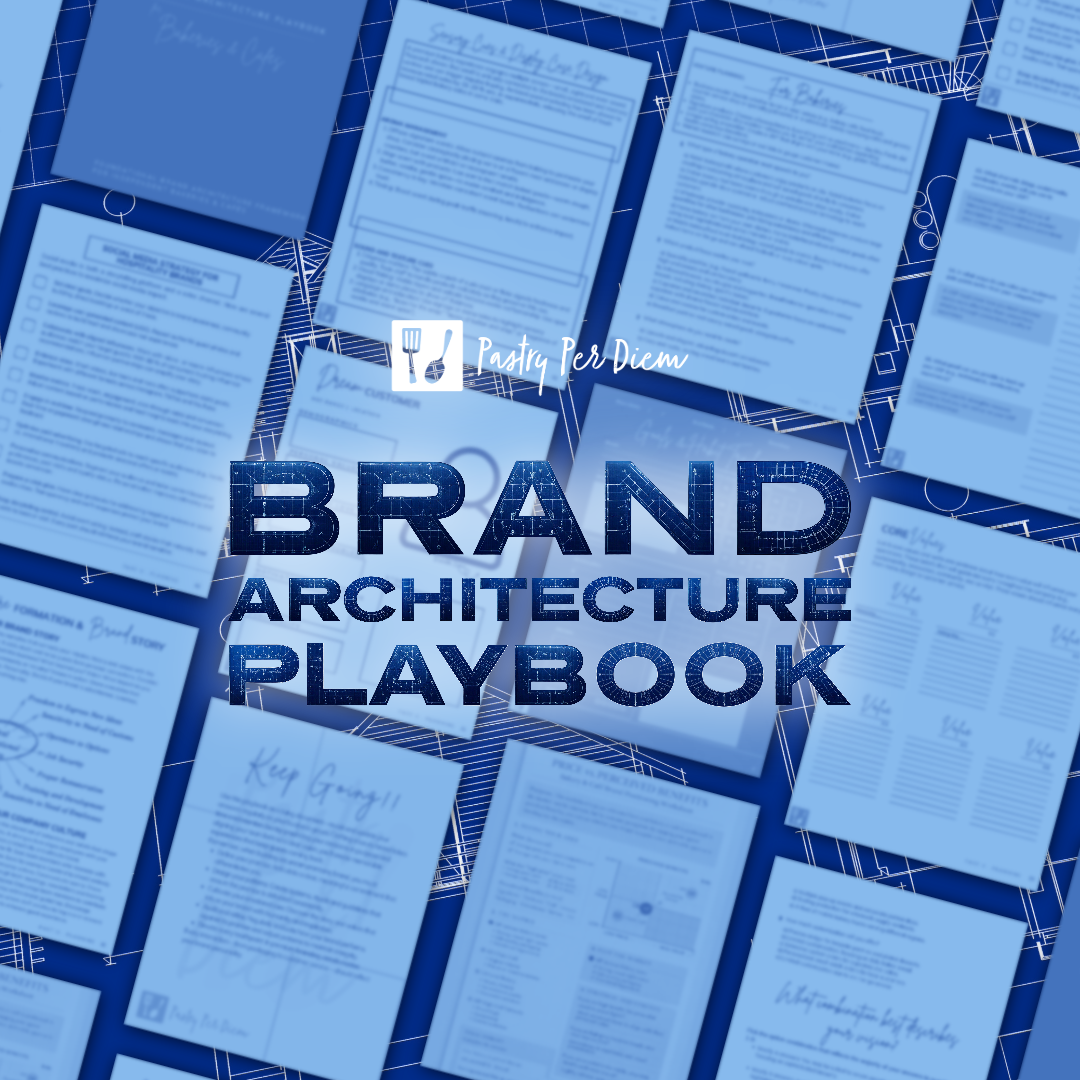
Brand Architecture Playbook
The Brand Architecture Playbook is a strategic framework for building brands that are structurally sound, emotionally resonant, and commercially consistent. It moves beyond aesthetics and into positioning, differentiation, offer design, narrative, and internal alignment — so your brand doesn’t just look elevated, it operates with precision. Designed for founders, consultants, and in-house teams, this is where brand becomes infrastructure.
